Day 2 – 16 September
The first medals of the Games were awarded in the women's10 metre air rifle competition, which was won by Nancy Johnson of the United States
The Triathlon made its Olympic debut with the women's race. Set in the surroundings of the iconic Sydney Opera House, Brigitte McMahon representingSwitzerland
The first star of the Games was Ian Thorpe. The 17-year-old Australian first set a new world record in the400 m freestyle final before competing in an exciting 4 x 100 m freestyle final. Swimming the last leg, Thorpe passed the leading Americans and arrived in a new world record time, two tenths of a second ahead of the Americans. In the same event for women, the Americans also broke the world record, finishing ahead of the Netherlands and Sweden

Day 3 – 17 September
Canadian Simon Whitfield sprinted away in the last100 metres of the men's triathlon, becoming the inaugural winner in the event.
On the cycling track, Robert Bartko beat fellow German Jens Lehmann in the individual pursuit, setting a new Olympic Record. Leontien Zijlaard-van Moorsel set a world record in the semi-finals the same event for women.
In the swimming pool, American Tom Dolan beat the world record in the400 m medley, successfully defending the title he won in Atlanta four years prior. Dutchwoman Inge de Bruijn also clocked a new world record, beating her own time in the 100 m butterfly final to win by more than a second
Day 4 – 18 September
The main event for the Australians on the fourth day of the Games was the200 m freestyle. Dutchman Pieter van den Hoogenband had broken the world record in the semi-finals, taking it from the new Australian hero Ian Thorpe, who came close to the world record in his semi-final heat. As the final race finished, Van den Hoogenband's time was exactly the same as in the semi-finals, finishing ahead of Thorpe by half a second.
China Ukraine and Russia
Zijlaard-van Moorsel lived up to the expectations set by her world record in cycling in the semis by winning the gold medal.
Day 7 – 21 September
Controversy erupted at the Women's Gymnastics All-Around final, when gymnast after gymnast fell on the vault. Some gymnasts were physically injured, and all were shaken, but nothing was done to try to discover the reason most gymnasts were having severe problems. Finally, in the middle of the second round, it was determined that the vault horse had been set 5 cm too low – a small amount, possibly, but to these world-class athletes, enough of a difference to have thrown off their impeccable timing to the extent that true performance was impossible. This situation led directly to the elimination of Svetlana Khorkina from consideration as the top all-around gymnast.
Day 9 – 23 September
By rowing in the winning coxless four, Steve Redgrave ofGreat Britain
The swimming 4 x 100-metre medley relay of B.J. Bedford, Megan Quann (Jendrick), Jenny Thompson and Dara Torres became the first women's relay under 4-minutes, swimming 3:58 and setting a world record, claiming the gold medal for the United States.
Day 10 – 24 September
Rulon Gardner, never a NCAA champion or a world medalist, beat Alexander Karelin ofRussia
Day 11 – 25 September
Australian Cathy Freeman won the400 metre final in front of a jubilant Sydney crowd at the Olympic Stadium, ahead of Lorraine Graham of Jamaica and Katharine Merry of Great Britain
In a men's basketball pool match between the USA and France, the USA's Vince Carter made one of the most famous dunks in basketball history. After getting the ball off a steal, the 6'6"/1.98 m Carter drove to the basket, with 7'2"/2.18 m centre Frédéric Weis in his way. Carter jumped, spread his legs in midair, scraped Weis' head on the way up, and dunked. The French media dubbed the feat le dunk de la mort ("the dunk of death").

Day 14 – 28 September
The Canadian flag at athletes' village is lowered to half-staff as Canadian athletes pay tribute to former prime minister Pierre Trudeau after hearing of his death in Montreal (Because of the time difference, it was 29 September in Sydney when Trudeau died). The Canadian flag flew at half-staff for the remainder of the Olympics, on orders from both IOC President Juan Antonio Samaranch and Canadian Foreign Affairs Minister Lloyd Axworthy, as the state funeral did not take place until 3 October.
Day 15 – 30 September


Sydney International Aquatic Centre

Sydney Olympic Park Hockey Centre

Dunc Gray Velodrome Homebush stadium
The first medals of the Games were awarded in the women's
The Triathlon made its Olympic debut with the women's race. Set in the surroundings of the iconic Sydney Opera House, Brigitte McMahon representing
The first star of the Games was Ian Thorpe. The 17-year-old Australian first set a new world record in the
Day 3 – 17 September
Canadian Simon Whitfield sprinted away in the last
On the cycling track, Robert Bartko beat fellow German Jens Lehmann in the individual pursuit, setting a new Olympic Record. Leontien Zijlaard-van Moorsel set a world record in the semi-finals the same event for women.
In the swimming pool, American Tom Dolan beat the world record in the
Day 4 – 18 September
The main event for the Australians on the fourth day of the Games was the
Zijlaard-van Moorsel lived up to the expectations set by her world record in cycling in the semis by winning the gold medal.
Day 7 – 21 September
Controversy erupted at the Women's Gymnastics All-Around final, when gymnast after gymnast fell on the vault. Some gymnasts were physically injured, and all were shaken, but nothing was done to try to discover the reason most gymnasts were having severe problems. Finally, in the middle of the second round, it was determined that the vault horse had been set 5 cm too low – a small amount, possibly, but to these world-class athletes, enough of a difference to have thrown off their impeccable timing to the extent that true performance was impossible. This situation led directly to the elimination of Svetlana Khorkina from consideration as the top all-around gymnast.
Day 9 – 23 September
By rowing in the winning coxless four, Steve Redgrave of
The swimming 4 x 100-metre medley relay of B.J. Bedford, Megan Quann (Jendrick), Jenny Thompson and Dara Torres became the first women's relay under 4-minutes, swimming 3:58 and setting a world record, claiming the gold medal for the United States.
Day 10 – 24 September
Rulon Gardner, never a NCAA champion or a world medalist, beat Alexander Karelin of
Day 11 – 25 September
Australian Cathy Freeman won the
In a men's basketball pool match between the USA and France, the USA's Vince Carter made one of the most famous dunks in basketball history. After getting the ball off a steal, the 6'6"/1.98 m Carter drove to the basket, with 7'2"/2.18 m centre Frédéric Weis in his way. Carter jumped, spread his legs in midair, scraped Weis' head on the way up, and dunked. The French media dubbed the feat le dunk de la mort ("the dunk of death").
Day 14 – 28 September
The Canadian flag at athletes' village is lowered to half-staff as Canadian athletes pay tribute to former prime minister Pierre Trudeau after hearing of his death in Montreal (Because of the time difference, it was 29 September in Sydney when Trudeau died). The Canadian flag flew at half-staff for the remainder of the Olympics, on orders from both IOC President Juan Antonio Samaranch and Canadian Foreign Affairs Minister Lloyd Axworthy, as the state funeral did not take place until 3 October.
Day 15 – 30 September
Cameroon won a historic gold medal over Spain in the Men's Olympic Football Final at the Olympic Stadium. The game went to a penalty shootout, which was won by Cameroon
Closing Ceremony
The closing ceremony was held on October 1 at the same stadium as the opening ceremony and again at the full house. The musical part of the ceremony was attended by such famous artists as Yvonne Kenny (soprano), who sang the Olympic anthem, Kylie Minogue, Nikki Webster, the duo Savage Garden, and others.
Traditionally, athletes took part in another parade, but this time were not separated by country, and all together, symbolizing the Olympic unity.
IOC President Juan Antonio Samaranch has congratulated Sydney Australia, and all the success of the Games and is traditionally called them the best in history.
The Olympic flag was lowered from the flagpole, and passing the Olympic flag was ceremoniously handed over to the mayor of Athens, the capital following the Games.
After the official announcement of the Games closed was extinguished the Olympic flame. The ceremony ended with a grand fireworks display.
The MascotsTraditionally, athletes took part in another parade, but this time were not separated by country, and all together, symbolizing the Olympic unity.
IOC President Juan Antonio Samaranch has congratulated Sydney Australia, and all the success of the Games and is traditionally called them the best in history.
The Olympic flag was lowered from the flagpole, and passing the Olympic flag was ceremoniously handed over to the mayor of Athens, the capital following the Games.
After the official announcement of the Games closed was extinguished the Olympic flame. The ceremony ended with a grand fireworks display.

Gold Olympic Medal


Sydney International Aquatic Centre

Sydney Olympic Park Hockey Centre
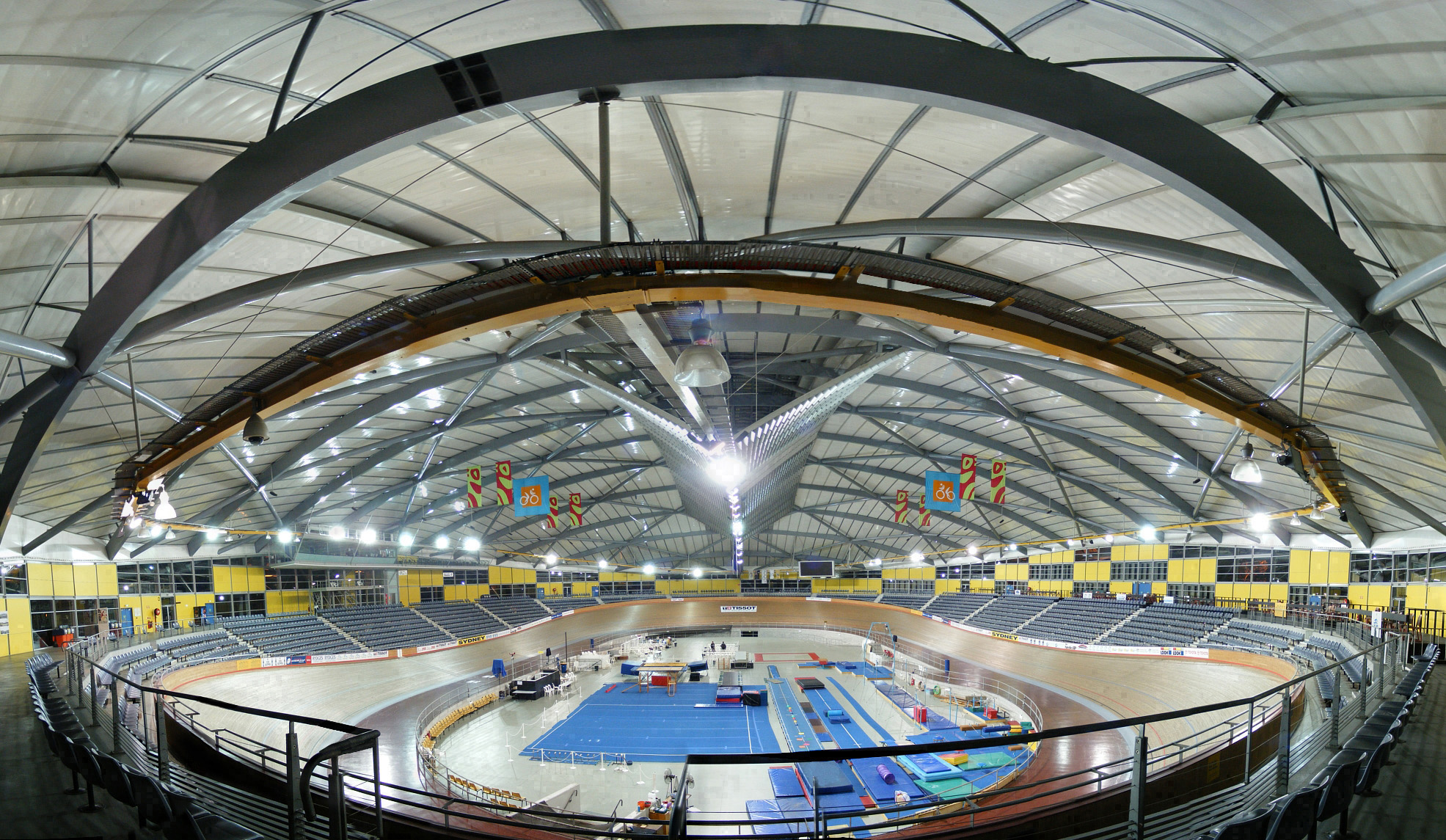
Dunc Gray Velodrome Homebush stadium

I should say that it's a great job! It's really interesting.
ОтветитьУдалить